ByJohn A
Transform Ordinary Spaces with Stunning Artificial Flower Arrangements
Decorating a home or workplace is all about creating an inviting atmosphere that reflects your personality and style. Flowers have always been a popular choice for adding colour, beauty, and freshness to interior spaces. However, fresh flowers require regular watering, trimming, and replacement to maintain their appearance. This is where artificial flower arrangements offer a practical and attractive alternative.
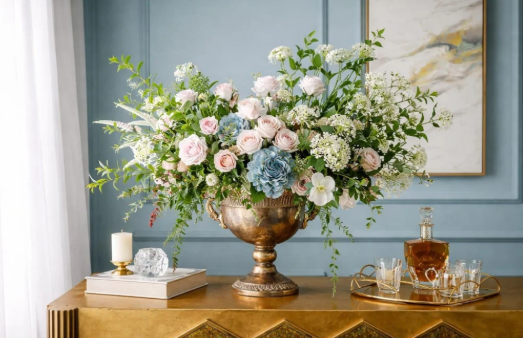
With realistic designs, vibrant colours, and a wide variety of styles, artificial flowers can transform ordinary spaces into elegant and welcoming environments. Whether you want to brighten up your living room, enhance your office décor, or create a beautiful dining table centrepiece, these arrangements provide countless decorating possibilities.
By choosing the right flowers, colours, containers, and placement, you can create stunning displays that complement your interiors and maintain their beauty throughout the year.
Why Artificial Flower Arrangements Are a Great Choice for Interior Décor
Artificial flowers have become a popular decorative option because they combine visual appeal with convenience. Modern designs often feature detailed petals, realistic textures, and natural-looking colours that make them suitable for different interior styles.
Unlike fresh flowers, artificial arrangements do not wilt or require regular watering. This makes them a convenient option for busy households, commercial spaces, and areas where maintaining live plants may be difficult.
Some key benefits include:
- Long-lasting beauty: Artificial flowers maintain their appearance without wilting or losing petals as fresh flowers naturally do.
- Low maintenance: They do not require watering, pruning, or changing water in a vase.
- Versatile styling: Different colours, flower types, and arrangement styles suit traditional, contemporary, and minimalist interiors.
- Year-round decoration: Seasonal flowers can be displayed whenever you want, regardless of their natural blooming season.
- Flexible placement: Artificial arrangements can be used in spaces with limited natural light.
- Cost-effective decorating: Reusable arrangements may reduce the need for frequent flower replacements.
These advantages make artificial flowers a useful choice for anyone looking to enhance interior décor without adding to their daily maintenance routine.
1. Brighten Your Living Room with Beautiful Floral Displays
The living room is often the centre of family activities and social gatherings. Adding a carefully styled floral arrangement can make this space feel warmer, more inviting, and visually appealing.
Choose Flowers That Complement Your Interior
Consider the existing colours, furniture, and decorative accessories before selecting an arrangement. Neutral interiors often pair well with soft white, cream, blush, or pastel flowers, while colourful arrangements can introduce contrast into simpler spaces.
Popular living room styling ideas include:
- Placing a large floral arrangement on a coffee table as a focal point.
- Displaying flowers on a side table beside a sofa or armchair.
- Using tall arrangements in floor vases to fill empty corners.
- Combining greenery with flowers for a fuller, more natural appearance.
- Choosing compact arrangements for shelves, console tables, or smaller surfaces.
Create Balance Without Overcrowding
The size of the arrangement should match the available space. Large arrangements can look impressive in spacious living rooms, while smaller displays work better in compact areas.
For coffee tables, choose arrangements that leave enough room for everyday items and do not obstruct conversation. On console tables, taller arrangements can add height and create visual interest.
2. Add Elegance to Your Bedroom Décor
Bedrooms should feel comfortable, peaceful, and relaxing. Artificial flowers can introduce subtle colour and softness without requiring the attention that fresh floral displays need.
Select Calming Colours and Simple Designs
Soft colours and understated arrangements are often suitable for bedrooms. White roses, pastel peonies, delicate blossoms, and muted greenery can complement a restful interior.
Consider these ideas for bedroom decoration:
- Place a small arrangement on a bedside table.
- Add flowers to a dresser or dressing table.
- Use a simple vase on a bedroom console.
- Coordinate flower colours with cushions, curtains, bedding, or wall décor.
- Choose compact arrangements that do not occupy valuable surface space.
Match the Arrangement to Your Bedroom Style
For a modern bedroom, minimalist arrangements with a few carefully selected stems can create a clean and sophisticated look. Traditional bedrooms may benefit from fuller arrangements with layered petals and complementary greenery.
Avoid using too many contrasting colours or oversized displays in a small bedroom. A balanced arrangement can make the room feel more organised and harmonious.
3. Create a Welcoming Atmosphere in Offices and Workspaces
A well-decorated workspace can feel more inviting for employees, visitors, and clients. Floral décor introduces colour and visual interest without requiring the regular care associated with living plants.
Choose Professional and Uncluttered Arrangements
Office décor generally benefits from simple, well-proportioned floral displays. Neutral colours, subtle greenery, and compact arrangements can complement professional environments without becoming distracting.
Useful placement ideas include:
- Reception desks and waiting areas.
- Conference room tables.
- Office reception counters.
- Shelves and storage cabinets.
- Individual workstations with sufficient desk space.
Consider Practical Requirements
When selecting artificial flower arrangements for a workspace, choose designs that are easy to clean and do not interfere with movement or work activities.
For reception areas, a larger arrangement may create an attractive first impression. For individual desks, a small vase or compact floral display is often more suitable.
4. Make Dining Tables More Attractive with Floral Centrepieces
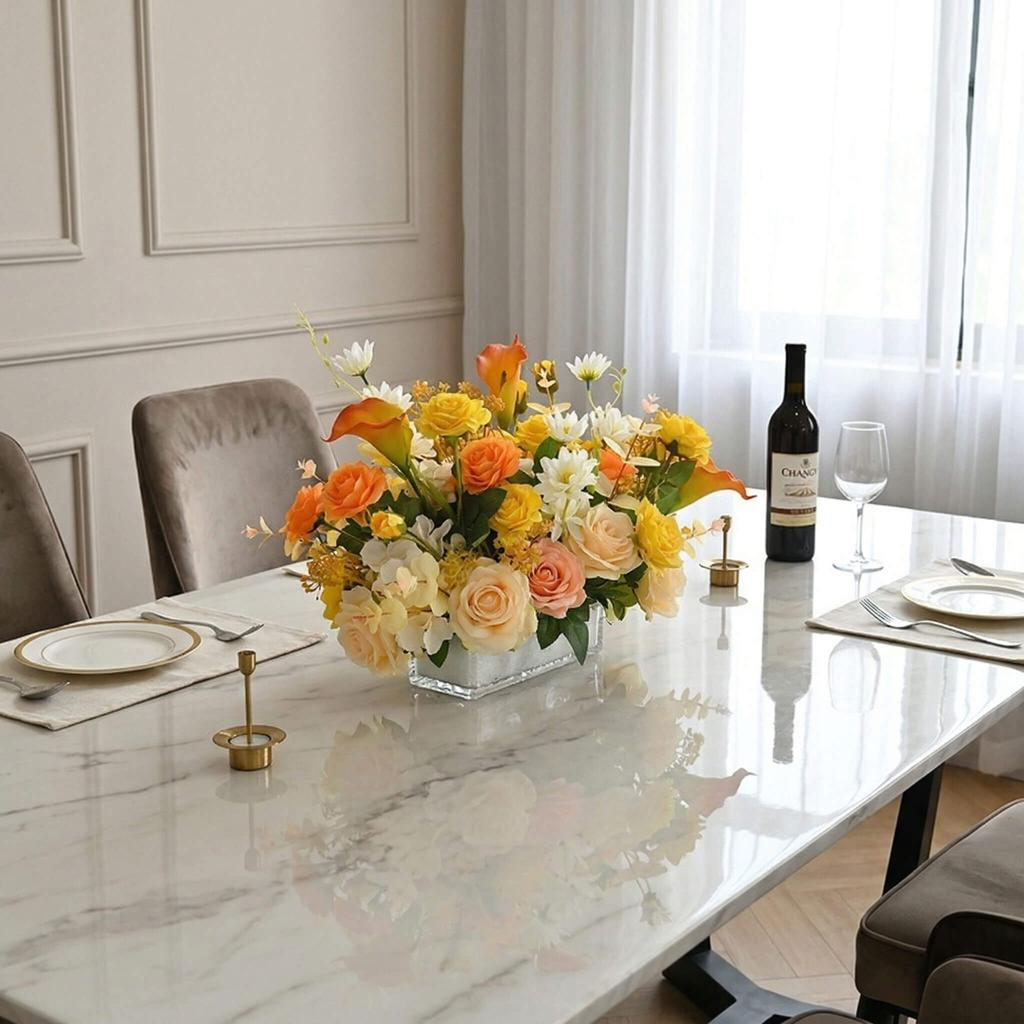
A dining table can become a focal point with the addition of a well-designed floral centrepiece. Artificial flowers are particularly convenient for dining spaces because they can remain attractive between meals without requiring replacement.
Choose the Right Centrepiece Size
The arrangement should complement the table rather than dominate it. Low floral displays are often ideal for dining tables because they allow people to see one another comfortably during meals.
Some creative ideas include:
- Using a low arrangement of white flowers for an elegant dining setting.
- Combining pastel blooms with greenery for a soft, natural appearance.
- Choosing seasonal colours to coordinate with table linens and accessories.
- Placing a narrow arrangement along the centre of a rectangular table.
- Using a compact floral display on a round dining table.
Coordinate Flowers with Table Settings
For a cohesive look, coordinate the colours of your flowers with plates, napkins, placemats, and other table accessories.
For everyday dining, simple arrangements are practical and attractive. For celebrations or dinner parties, fuller arrangements with decorative foliage can create a more formal atmosphere.
5. Transform Empty Corners with Statement Arrangements
Empty corners can sometimes make a room feel unfinished. A carefully selected artificial floral arrangement can fill these spaces and help create a more balanced interior.
Use Height to Create Visual Interest
Tall vases with long stems can work well in spacious living rooms, entrance areas, and larger hallways. Branch arrangements, decorative foliage, and tall flowering stems are useful options for adding height.
Consider the following styling techniques:
- Place a tall arrangement beside a console table.
- Use a floor vase to decorate an unused corner.
- Choose flowers that complement the wall colour and surrounding furniture.
- Combine different stem heights to create a natural silhouette.
- Leave enough surrounding space so the arrangement remains a focal point.
Keep Proportions in Mind
A large floral display may overwhelm a small room, while a tiny arrangement may appear insignificant in a spacious area.
Measure the available space and consider the height of nearby furniture before selecting a vase or arrangement. Maintaining suitable proportions helps the décor look intentional rather than crowded.
6. Explore Different Artificial Flower Styles
Artificial flowers are available in a wide range of colours, textures, shapes, and arrangements. Understanding the main styles can help you choose designs that match your preferences and interior décor.
Realistic Floral Arrangements
Realistic arrangements feature detailed petals, natural-looking stems, and carefully blended colours. They work well in living rooms, bedrooms, and formal reception areas where a natural floral appearance is desired.
Minimalist Flower Displays
Minimalist arrangements use fewer stems and simple shapes to create a clean, uncluttered look.
They are suitable for:
- Contemporary living spaces.
- Small apartments.
- Modern offices.
- Bedside tables.
- Narrow shelves and console tables.
Mixed Flower and Greenery Arrangements
Combining flowers with artificial leaves and foliage creates depth and texture. Greenery can soften bright colours and help the display resemble a freshly gathered bouquet.
These arrangements work well in rustic, contemporary, and nature-inspired interiors.
See also: Why Your Business Needs a Digital Marketing Dashboard for Better Insights
Seasonal Floral Designs
Seasonal arrangements allow you to refresh your décor throughout the year without depending on the availability of fresh flowers.
For example:
- Spring: Pastel blossoms and delicate greenery.
- Summer: Bright flowers in cheerful colours.
- Autumn: Warm shades of orange, burgundy, and cream.
- Winter: White flowers, evergreen-style foliage, and understated decorative accents.
Changing your arrangements with the seasons can keep your interiors interesting while allowing you to reuse the same flowers in different combinations.
7. Choose the Right Colours for Your Interior
Colour selection plays an important role in creating a visually appealing floral display. The right combination can complement existing furniture, highlight architectural features, and establish a particular mood.
Use Complementary Colour Combinations
Before purchasing flowers, identify the dominant colours in the room. This may include wall paint, upholstery, curtains, rugs, and decorative accessories.
Some combinations to consider include:
- White and green: A fresh, timeless combination that suits many interiors.
- Pink and cream: A soft palette suitable for bedrooms and elegant living spaces.
- Yellow and white: A bright combination that can make a room feel cheerful.
- Burgundy and blush: A rich contrast suitable for formal or traditional interiors.
- Blue and white: A crisp combination that works well in coastal-inspired spaces.
- Orange and earthy green: A warm palette that complements rustic or autumn-inspired décor.
Consider the Room’s Existing Atmosphere
Light colours can help a small room feel visually open, while deeper shades can create contrast and a more dramatic effect.
If your interior already contains several strong colours, choose a simpler floral arrangement. In neutral rooms, brighter flowers can provide an attractive accent without requiring other major decorative changes.
8. Select Suitable Vases and Decorative Containers
The vase is an important part of any floral arrangement. Its shape, material, size, and colour can influence the overall appearance of the display.
Match the Vase to the Flowers
A tall vase works well with long stems, while a wider container can support fuller arrangements. Small bouquets often look best in compact vessels that do not overpower the flowers.
Popular vase and container options include:
- Glass vases for a simple, versatile appearance.
- Ceramic vases for a classic or contemporary look.
- Textured containers for additional visual interest.
- Neutral-toned vessels for minimalist interiors.
- Decorative baskets for rustic or relaxed settings.
Pay Attention to Stability
Artificial flowers may be lightweight, especially when made from fabric or plastic. Taller arrangements can become unstable if the vase is too narrow or the stems are unevenly distributed.
Choose a stable container and arrange the stems so that the display remains balanced. For larger arrangements, suitable internal support or vase filler can help keep the flowers in place.
9. Maintain Artificial Flowers for Long-Lasting Beauty
Although artificial flowers require less care than fresh blooms, regular cleaning helps preserve their appearance. Dust can collect on petals, leaves, and stems, making even an attractive arrangement look dull over time.
Follow a Simple Cleaning Routine
A basic maintenance routine can keep your arrangements looking presentable.
- Dust the flowers regularly with a soft brush or microfiber cloth.
- Use a gentle cleaning method appropriate for the material.
- Check the care instructions before applying water or cleaning products.
- Reshape bent stems and petals carefully when necessary.
- Clean the vase or container to remove dust and marks.
- Store seasonal arrangements in a clean, dry place when not in use.
Protect Flowers from Environmental Damage
Prolonged direct sunlight can cause some artificial flowers to fade, particularly those made with certain fabrics or dyes. Excessive moisture and heat may also affect specific materials.
To preserve their appearance:
- Keep delicate arrangements away from intense direct sunlight where possible.
- Avoid placing unsuitable materials near heat sources.
- Do not soak flowers unless the material is specifically designed for washing.
- Store unused arrangements away from dust and excessive humidity.
With appropriate care, artificial flowers can remain an attractive part of your interior décor for an extended period.
10. Common Mistakes to Avoid When Decorating with Artificial Flowers
Even beautiful flowers can look out of place when the arrangement or placement does not suit the room. A few simple considerations can help you achieve a more natural and coordinated appearance.
Avoid Overcrowding the Arrangement
Too many stems packed into a small vase can make the display look cluttered. Leave enough space between flowers to create a balanced shape and allow individual blooms to remain visible.
Do Not Ignore Scale and Proportion
Consider the size of the furniture, room, and vase before choosing an arrangement. A display should complement its surroundings rather than compete with them.
Avoid Mixing Too Many Colours
Using too many unrelated shades can make an arrangement appear visually confusing. Choose a main colour and support it with one or two complementary shades.
Remember to Clean Your Flowers
Dusty petals and dull leaves can reduce the overall appeal of your décor. Regular cleaning is a simple way to maintain a fresh, attractive appearance.
Choose Quality Over Quantity
A carefully arranged display with a few realistic stems may look more elegant than a large collection of artificial flowers with inconsistent colours or textures.
Conclusion
Transforming ordinary spaces into beautiful interiors does not always require expensive furniture or major renovations. Thoughtfully selected artificial flower arrangements can introduce colour, texture, and personality into almost any room while offering a convenient alternative to fresh flowers.
From elegant living room displays and calming bedroom arrangements to professional office décor and attractive dining table centrepieces, artificial flowers provide flexible decorating possibilities for different spaces and styles.
By selecting suitable colours, choosing the right vases, maintaining balanced proportions, and keeping arrangements clean, you can create displays that complement your surroundings and remain attractive throughout the year.