ByJohn A
How to Know When It’s Time for Roof Replacement in Central Coast
A roof is one of the most important parts of any property, protecting your home from rain, wind, sunlight, and changing weather conditions. However, like every other part of a building, a roof can deteriorate over time. Ignoring early warning signs may lead to leaks, structural damage, and expensive repairs.
For homeowners, knowing when to consider roof replacement in Central Coast can help prevent unexpected problems and maintain the safety, comfort, and value of their properties. While minor roofing issues can sometimes be resolved with repairs, extensive damage or an ageing roof may require a complete replacement.
In this guide, we will explore the most common signs that indicate it may be time to replace your roof, the factors affecting its lifespan, and how to make an informed decision.
1. Your Roof Is Reaching the End of Its Lifespan
One of the first things to consider is the age of your existing roof. Different roofing materials have different lifespans, depending on their quality, installation, maintenance, and exposure to weather conditions.
For example, asphalt shingles may last around 20–30 years, while metal roofing can last several decades when properly installed and maintained. Tile roofs can also have a long service life, although their underlay and supporting components may deteriorate sooner.
If your roof is approaching the expected lifespan of its materials, arranging a professional inspection is a sensible step.
Why Roof Age Matters
As roofing materials age, they can become less effective at protecting your home. Seals may weaken, fasteners can deteriorate, and repeated exposure to the elements may increase the risk of leaks.
Even if there are no obvious problems, an older roof may have hidden issues that require attention. A professional assessment can help determine whether targeted repairs are sufficient or whether replacement is the more practical long-term solution.
2. You Notice Frequent Roof Leaks
A leaking roof is one of the clearest warning signs that something may be wrong with your roofing system. While a small leak does not always mean the entire roof needs replacing, recurring leaks should never be ignored.
Water can enter through damaged tiles, deteriorated flashing, cracked roofing materials, or failing waterproofing components.
Common Signs of Roof Leaks
Look out for the following warning signs inside your home:
- Water stains on ceilings or walls.
- Peeling paint or bubbling plaster.
- Damp patches in the roof cavity.
- Musty smells caused by trapped moisture.
- Visible mould growth near ceilings or walls.
If leaks continue despite repeated repairs, the underlying roofing system may have more extensive damage. In such cases, roof replacement in Central Coast may be worth considering to address the problem more comprehensively.
3. Roofing Materials Are Damaged or Missing
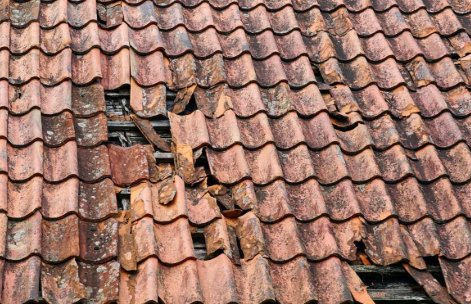
Roofing materials are constantly exposed to sunlight, rain, wind, and temperature changes. Over time, these conditions can cause individual components to crack, loosen, corrode, or break.
For tiled roofs, cracked, displaced, or missing tiles can allow water to penetrate the roof structure. Metal roofs may develop corrosion, loose fasteners, damaged sheets, or deteriorated protective coatings.
When Does Damage Require Replacement?
The extent of the damage is an important consideration. A few broken tiles or a small area of damaged metal roofing may be repairable.
However, if damage affects large sections of the roof or appears repeatedly in different locations, replacement may provide a more reliable solution.
Avoid climbing onto the roof to inspect damage yourself. A qualified roofing professional can assess its condition safely and recommend the appropriate action.
4. Your Roof Shows Signs of Sagging
A sagging roof is a serious warning sign that should be investigated promptly. It may indicate problems with the supporting structure, prolonged moisture exposure, damaged roof framing, or excessive loads.
Unlike minor surface damage, structural problems can affect the stability and safety of your home.
What Should You Look For?
From a safe position, check for visible dips or uneven sections along the roofline. Inside the property, unusual changes in the ceiling or roof structure may also indicate a problem.
If you notice significant sagging, avoid entering affected areas if you suspect structural instability and arrange an urgent professional assessment.
Depending on the cause and severity, extensive structural repairs and roof replacement may be necessary.
5. You Find Rust, Corrosion, or Deteriorating Roofing Components
Metal roofing is widely used because of its durability and relatively low maintenance requirements. Nevertheless, prolonged exposure to moisture and coastal conditions can contribute to corrosion, particularly when protective coatings are damaged or unsuitable materials have been used.
For properties along the Central Coast, the local environment should be considered when assessing roof condition. Salt-laden air in coastal areas can accelerate corrosion of susceptible metal components.
Warning Signs to Watch For
- Rust patches on metal roof sheets.
- Corroded screws, fasteners, or flashing.
- Peeling or damaged protective coatings.
- Deterioration around roof edges and connections.
- Water entering through corroded sections.
Minor corrosion may be treatable if identified early. However, widespread rust, weakened metal sheets, or recurring leaks may indicate that replacement is the better option.
When choosing new roofing materials, consider their suitability for your property’s distance from the coast, exposure conditions, and maintenance requirements.
See also: Why Your Business Needs a Digital Marketing Dashboard for Better Insights
6. Your Energy Bills Are Increasing
An unexpected increase in heating or cooling costs can have several causes, including changes in energy prices, insulation problems, ventilation issues, and inefficient building materials.
Your roof may be contributing to the problem if it has inadequate insulation, poor ventilation, or gaps that allow unwanted heat transfer.
How a New Roof May Help
Replacing an ageing roof provides an opportunity to assess and improve other parts of the roofing system, including insulation, ventilation, and weatherproofing.
The right combination of materials and insulation may help maintain more consistent indoor temperatures and reduce the workload on heating and cooling systems.
However, roof replacement alone does not guarantee lower energy bills. A professional assessment can help identify whether roofing improvements are likely to make a meaningful difference.
7. Roof Repairs Are Becoming More Frequent and Expensive
Occasional maintenance is a normal part of owning a property. However, repeated repairs can become costly when an ageing roof develops problems in multiple locations.
If you are frequently paying for leak repairs, replacing damaged tiles, or addressing corrosion, it may be time to compare the long-term cost of continued maintenance with the cost of a complete replacement.
Repair or Replace: How to Decide
Consider these factors when making your decision:
- Extent of damage: Localised problems may be repairable, while widespread deterioration may require replacement.
- Roof age: An older roof with several developing issues may be approaching the end of its useful life.
- Repair costs: Repeated expenses can add up over time.
- Structural condition: Damaged supporting components may require more extensive work.
- Future plans: If you intend to remain in your property for many years, a suitable replacement may offer greater long-term peace of mind.
A detailed inspection and written quotation can help you understand the available options before committing to major work.
8. Severe Weather Has Damaged Your Roof
Strong winds, heavy rainfall, falling branches, and severe storms can damage roofing materials and expose vulnerable areas of your home.
Even when damage is not immediately visible, severe weather may loosen tiles, displace metal sheets, damage flashing, or allow moisture to enter the roof cavity.
After a major storm, look for visible debris, displaced materials, water stains, and other signs of damage from a safe location.
If the roof has sustained widespread damage, professional advice can help determine whether repairs are sufficient or whether replacement is necessary.
Prompt action can also help prevent secondary problems, such as moisture damage to ceilings, insulation, and timber components.
How to Choose the Right Time for Roof Replacement in Central Coast
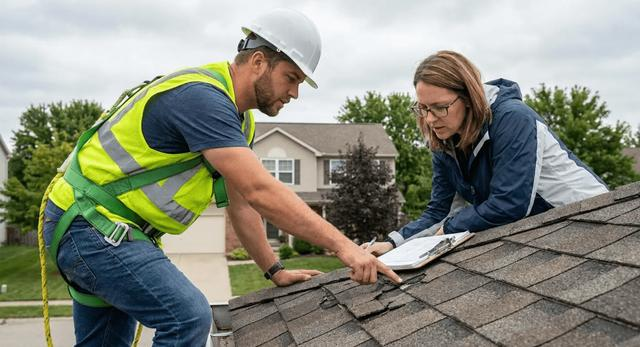
The best time to replace a roof depends on its condition, the extent of damage, weather forecasts, material availability, and the contractor’s schedule.
It is generally better to arrange an inspection when early warning signs appear rather than waiting until a major leak or structural problem develops.
When planning roof replacement in Central Coast, consider the following steps:
- Arrange a professional roof inspection.
- Ask for a clear explanation of any damage and the recommended solution.
- Compare repair and replacement options.
- Select roofing materials suited to the local climate and coastal exposure.
- Obtain a detailed written quotation outlining materials, labour, timelines, and any additional work.
- Confirm applicable warranties, insurance arrangements, and relevant local requirements.
Planning ahead can give you more time to compare options and reduce the likelihood of emergency roofing work.
Conclusion
Knowing when to replace your roof can help protect your home from water damage, structural deterioration, and unnecessary maintenance expenses. Warning signs such as recurring leaks, widespread material damage, corrosion, sagging, and frequent repairs should be taken seriously.
While some roofing problems can be resolved through targeted repairs, an ageing or extensively damaged roof may benefit from complete replacement.
If you notice these warning signs, arrange a professional assessment to understand the condition of your roofing system. By addressing problems early and selecting materials suitable for the local environment, homeowners can make informed decisions about roof replacement in Central Coast and maintain a safer, more durable property for years to come.