ByJohn A
How Shea Body Butter Helps Keep Skin Moisturised
Dry, rough, and uncomfortable skin can benefit from a consistent moisturising routine, particularly when environmental conditions or everyday habits cause moisture loss. Shea body butter is a rich skincare product commonly used to soften and condition the skin. Its thick texture makes it suitable for areas that need extra nourishment, such as elbows, knees, hands, feet, and other dry patches. Understanding how shea body butter works and how to use it properly can help you make it a useful part of your everyday skincare routine.
What Is Shea Body Butter?
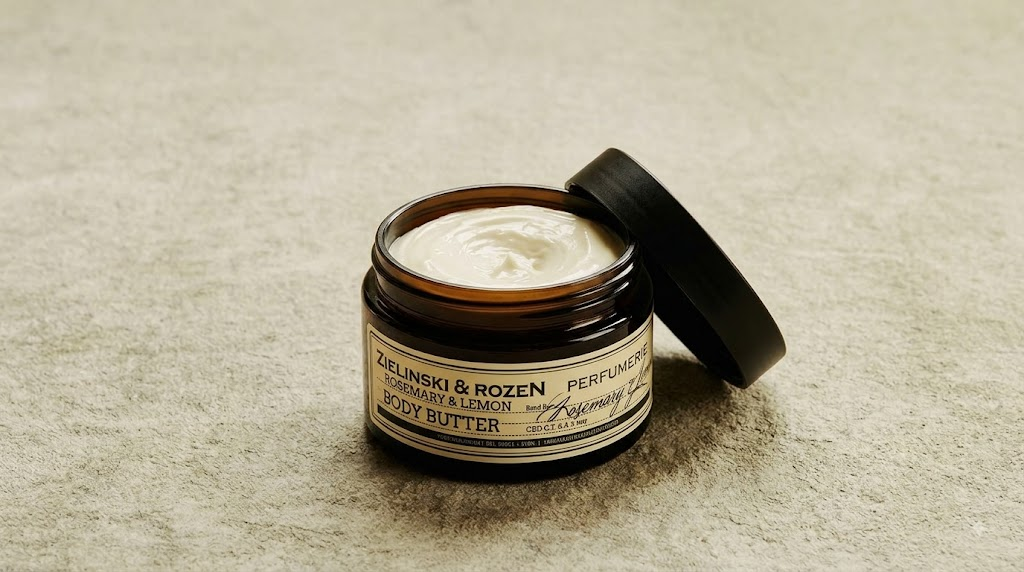
Shea body butter is a rich moisturising product made with shea butter as a key ingredient. Shea butter is a plant-based fat obtained from the nuts of the shea tree. It has a naturally creamy texture and is widely used in body care products because of its emollient properties.
Unlike lightweight lotions, body butters generally have a thicker consistency. This allows them to provide a more substantial moisturising layer on the skin.
Why Is Shea Butter Used in Body Care?
Shea butter contains fatty components that can help condition the skin and improve its feel. When applied to dry skin, it can help make the surface feel softer and smoother.
Its rich texture also makes it useful for areas that tend to become particularly dry or rough.
How Shea Body Butter Helps Keep Skin Moisturised
The skin naturally has a protective barrier that helps retain water and protect against external factors. When this barrier becomes less effective, moisture can escape more easily, resulting in dryness.
Shea body butter can support moisturisation by conditioning the outer layer of the skin and helping reduce moisture loss.
Helps Reduce Moisture Loss
One of the main ways body butter supports moisturisation is by creating a protective layer over the skin. This layer can slow the evaporation of water from the skin’s surface.
For this reason, applying body butter after bathing can be particularly helpful because it can help retain some of the moisture left on the skin.
Softens the Skin
Dry skin often feels rough because the outermost layer lacks sufficient moisture and flexibility. Shea butter can help soften this surface, making the skin feel smoother and more comfortable.
Regular use can be especially beneficial for areas that frequently become rough.
Supports the Skin Barrier
A well-maintained skin barrier is important for keeping moisture within the skin. Shea butter’s emollient properties can help condition the outer skin layer and support a smoother barrier.
This does not mean body butter replaces the skin’s natural protective functions, but it can complement everyday moisturisation.
Benefits of Using Shea Body Butter
Adding a rich body butter to your routine can provide several practical skincare benefits.
Provides Rich Moisturisation
Shea body butter is particularly suitable for people who prefer a richer moisturiser. Its thicker consistency allows it to remain on the skin longer than many lightweight products.
This can make it useful for dry skin that needs additional conditioning.
Helps Improve Skin Texture
Consistent moisturisation can make rough skin feel smoother. Body butter can help soften areas such as elbows, knees, ankles, and heels.
With regular use, these areas may feel more comfortable and conditioned.
Helps Maintain Soft-Looking Skin
Moisturised skin generally feels softer and looks smoother. Applying body butter regularly can help maintain this appearance, especially when combined with gentle cleansing and good skincare habits.
Useful for Dry Areas
Certain parts of the body naturally experience more friction or dryness. Hands, feet, elbows, and knees may need additional moisturisation compared with other areas.
A rich body butter can be applied directly to these areas when they feel dry.
When Should You Apply Shea Body Butter?
The timing of application can influence how effectively a body butter supports moisture retention.
After Showering or Bathing
One of the best times to apply body butter is shortly after bathing. Gently pat the skin dry while leaving it slightly damp, then apply a suitable amount of body butter.
Applying it at this stage can help seal in some of the moisture remaining on the skin.
Before Bed
Using body butter as part of an evening routine can provide extended contact with the skin. This is particularly useful for dry areas such as feet, hands, elbows, and knees.
For very dry feet, applying body butter before bed and wearing comfortable cotton socks can help reduce friction and support a softer feel.
How to Use Shea Body Butter Properly
Using body butter does not require a complicated routine. A few simple steps can help you get the most from the product.
Step 1: Cleanse the Skin
Begin with a gentle shower or bath. Avoid excessively hot water, which can contribute to dryness by removing some of the skin’s natural oils.
Step 2: Pat the Skin Dry
Instead of rubbing the skin vigorously with a towel, gently pat it dry. Keeping a small amount of moisture on the surface can make body butter easier to spread.
Step 3: Apply a Small Amount
Take a modest amount of body butter and warm it between your hands if necessary. Gently massage it into the skin using circular movements.
Step 4: Focus on Dry Areas
Give additional attention to areas that tend to become rough or flaky. You can apply a slightly thicker layer to these areas if needed.
Shea Body Butter vs. Body Lotion
Both body butter and body lotion can help moisturise the skin, but they have different textures and uses.
Body Butter
Body butter usually has a thicker, richer consistency. It is often preferred for very dry areas or during colder weather when the skin may require more conditioning.
Body Lotion
Body lotion generally has a lighter texture and spreads easily over larger areas. It may be more comfortable for people who prefer a lightweight moisturiser for everyday use.
The right option depends on your skin’s needs and your personal preference. Some people may use lotion during the day and a richer body butter at night.
Tips for Getting Better Results
A few simple habits can make a moisturising routine more effective.
Moisturise Regularly
Consistency is important. Applying body butter occasionally may provide temporary softness, but regular use can better support ongoing skin conditioning.
Avoid Very Hot Showers
Hot water can leave skin feeling dry and tight. Using comfortably warm water can be gentler on the skin.
Use Gentle Cleansing Products
Strong cleansers may remove natural oils from the skin. Choosing a gentle cleansing option can help minimise unnecessary dryness.
Pay Attention to Seasonal Changes
Cold weather, dry air, and indoor heating can contribute to increased skin dryness. During these periods, you may need to apply body butter more frequently.
See also: Social Media Marketing Service for Better Customer Engagement
Who Can Benefit From Shea Body Butter?
Shea body butter can be useful for people who regularly experience dry or rough-feeling skin and prefer a richer moisturiser.
People With Dry Skin
Those with dry skin may appreciate the thick, conditioning texture of body butter. It can be especially useful on areas where ordinary lotions may not feel sufficiently moisturising.
People With Rough Skin
Individuals with rough elbows, knees, heels, or hands may use body butter to help soften the skin’s surface.
People Seeking a Simple Routine
A body butter can be incorporated into a straightforward daily routine without requiring multiple skincare products. Applying it after bathing can be an easy way to maintain regular moisturisation.
Things to Consider Before Using Shea Body Butter
Although shea butter is commonly used in skincare, everyone’s skin responds differently to ingredients. If you have sensitive skin, check the complete ingredient list and consider testing a small amount on an inconspicuous area first.
If you experience persistent redness, swelling, itching, burning, or other signs of irritation after applying a product, stop using it and seek appropriate professional advice.
Final Thoughts
Shea body butter can be a valuable addition to a daily skincare routine when the goal is to maintain soft, moisturised, and comfortable skin. Its rich texture helps condition the skin, reduce moisture loss, and improve the feel of dry or rough areas.
For the best experience, apply it consistently, particularly after bathing while the skin is slightly damp. Combining body butter with gentle cleansing, moderate bathing temperatures, and regular moisturisation can help support the skin’s natural moisture barrier.